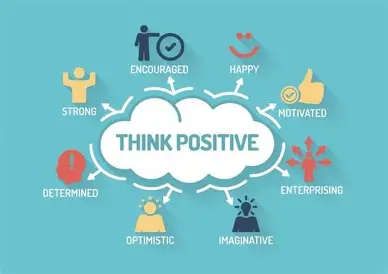
Positive Psychology Module: Gratitude, Productivity, and Resilience
Positive psychology has become one of the most influential fields for improving well-being and strengthening mental health. Its goal is simple yet powerful: to help individuals focus on their strengths, cultivate uplifting emotions, and develop habits that lead to a fulfilling life. A positive psychology module centered on gratitude, productivity, and resilience provides a comprehensive approach to personal growth. These three pillars are essential for building a strong emotional foundation, increasing motivation, and navigating challenges with confidence. In this article, we explore how each component works and how they come together to create a meaningful transformation in everyday life.
What Is a Positive Psychology Module?
A positive psychology module is a structured set of practices, lessons, and strategies designed to enhance emotional well-being. It focuses on promoting positive behaviors rather than simply reducing negative emotions. Unlike traditional psychology, which often centers on treating disorders, positive psychology emphasizes flourishing, happiness, and human potential.
Modules like this one are widely used in educational programs, wellness workshops, workplace training, and personal development courses. They combine scientific research, reflective exercises, and practical tools that help individuals understand their emotional patterns and create new, healthier habits.
The Three Pillars of the Module
1. Gratitude: Cultivating Appreciation
Gratitude is one of the most powerful tools in positive psychology. It encourages individuals to focus on the positive aspects of life rather than dwelling on what is lacking. When practiced consistently, gratitude can reduce stress, improve mood, and strengthen relationships.
Gratitude practices often include journaling, mindful reflection, and expressing appreciation to others. These activities help train the brain to recognize moments of joy, connection, and fulfillment. Over time, gratitude shifts attention away from negativity and builds a more optimistic mindset.
Scientific studies show that individuals who practice daily gratitude experience increased happiness and better emotional balance. This is because gratitude boosts serotonin and activates neural pathways associated with well-being. Incorporating gratitude into a positive psychology module provides a solid foundation for long-term emotional improvement.
2. Productivity: Building Purposeful Action
Productivity is not just about doing more; it is about doing what truly matters. A positive psychology approach to productivity emphasizes meaningful tasks, healthy routines, and clear personal goals. It encourages individuals to align their priorities with their values, making their daily actions more intentional and satisfying.
Within this module, productivity tools may include task-planning strategies, time management techniques, and focus-building exercises. These practices help eliminate unnecessary stress and create a sense of progress. When people see consistent results from their efforts, motivation increases naturally.
Productivity is also closely tied to self-esteem. Completing tasks and achieving goals—even small ones—reinforces a sense of capability and confidence. By integrating productivity into the module, individuals learn to balance ambition with self-care, preventing burnout while maintaining steady personal growth.
3. Resilience: Strengthening Emotional Toughness
Resilience is the ability to recover from challenges, setbacks, and stressful situations. It is an essential life skill that empowers individuals to keep moving forward even during difficult times. A positive psychology module teaches that resilience is not a fixed trait—it can be learned, practiced, and improved.
Resilience training often includes cognitive reframing techniques, stress-management strategies, and emotional regulation practices. These allow individuals to reinterpret difficulties as opportunities for growth. Instead of feeling overwhelmed, they develop the ability to respond calmly and constructively.
People with high resilience tend to experience less anxiety, maintain stronger relationships, and feel more in control of their lives. By including resilience in the module, individuals gain the emotional strength needed to face challenges without losing their sense of purpose or optimism.
How the Three Pillars Work Together
While each pillar—gratitude, productivity, and resilience—is powerful on its own, the true impact emerges when they are practiced together. Gratitude creates a positive emotional baseline, productivity provides direction and structure, and resilience offers the strength to persevere. Together, they form a cycle of growth and emotional balance.
For example, gratitude helps reduce stress, which increases mental clarity. With a clear mind, productivity improves, leading to a sense of accomplishment. Achieving goals then reinforces resilience, making it easier to cope with future challenges. This interconnected system creates long-lasting emotional stability.
Practical Exercises to Apply the Module
Daily Gratitude List
Write down three things you are grateful for each day. This simple practice shifts your focus toward positivity and fosters emotional well-being.
Meaningful Task Planner
Create a list of the most important tasks for your day. Prioritize those that align with your goals and values, ensuring that your actions support your long-term vision.
Resilience Reflection
When facing a challenge, write a short reflection on what you can learn from the situation. This helps strengthen emotional resilience and encourages a growth mindset.
Conclusion
A positive psychology module focused on gratitude, productivity, and resilience offers a transformative approach to personal growth. By strengthening emotional awareness, encouraging meaningful action, and developing the ability to overcome adversity, this module provides the tools needed to build a happier and more fulfilling life. Integrating these practices into your daily routine can lead to long-term improvements in your mental health, relationships, and overall sense of purpose. Embracing the power of positive psychology is a valuable step toward a brighter, more balanced future.