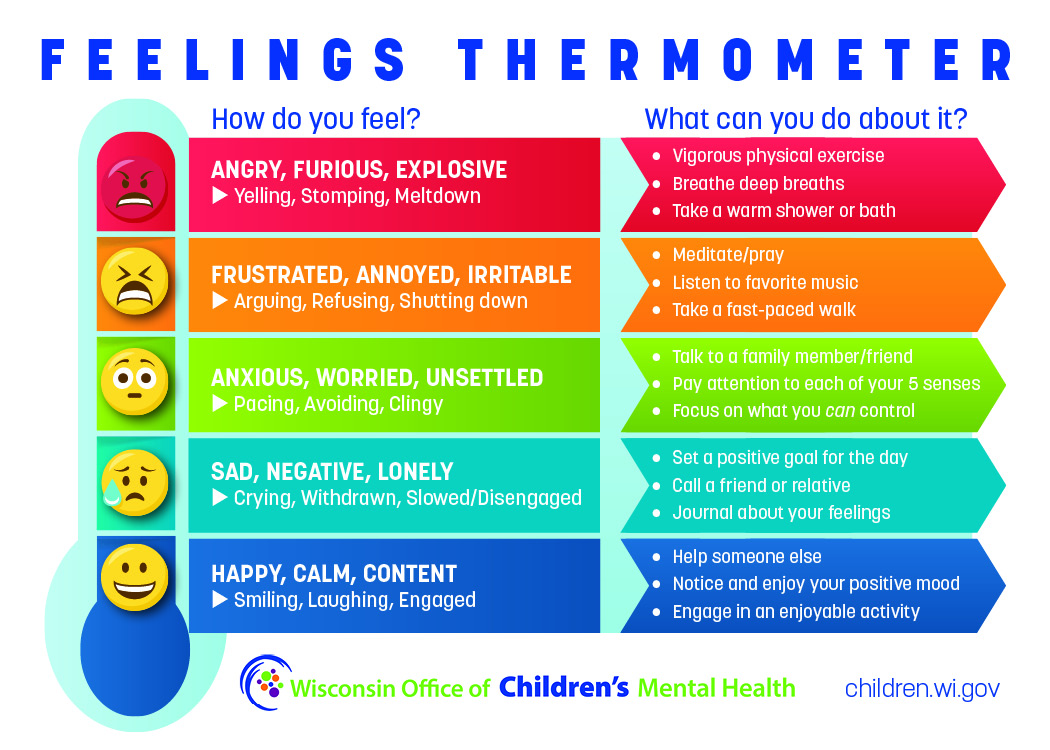
Emotional State Tests with Healthy Activity Suggestions
In today’s fast-paced world, understanding our emotional well-being has become more important than ever. Many people experience stress, anxiety, or emotional confusion without realizing the underlying causes. For this reason, emotional state tests have emerged as a valuable tool for identifying feelings and improving mental health. When these tests are combined with healthy activity suggestions, they become even more powerful, offering practical guidance to help individuals regain balance and emotional clarity. This article explores in detail how these tests work, their benefits, and how healthy activities can support long-term emotional well-being.
What Are Emotional State Tests?
Emotional state tests are assessments designed to evaluate a person’s mood, mental condition, and emotional tendencies at a specific moment. These tests often include questions about daily habits, thoughts, reactions to stressful situations, sleep quality, and overall mood patterns. Based on the responses, the test provides insights into one’s emotional status, such as identifying stress, sadness, irritability, lack of motivation, or even emotional fatigue.
One of the strengths of emotional state tests is that they are easy to complete and do not require professional training. Many are available online and can be done within minutes. They help increase self-awareness and encourage individuals to pay attention to how they feel, something that is often overlooked in daily routines filled with obligations and distractions.
Why Emotional Awareness Matters
Understanding one’s emotional state is fundamental for achieving a balanced and healthy life. Emotional awareness allows individuals to recognize challenges early, preventing stress or anxiety from escalating. It also supports personal growth, improves decision-making, and encourages healthier relationships. When people identify their emotional patterns through testing, they are better prepared to take actions that support their well-being.
Improved Mental Clarity
By clearly identifying emotions, individuals can approach problems with a calmer and more rational mindset. Mental clarity helps reduce impulsive reactions and supports more thoughtful and effective choices.
Better Stress Management
Emotional state tests help detect early signs of stress. This allows people to adopt healthy habits before stress becomes overwhelming. Recognizing emotional tension is the first step toward reducing it.
Enhanced Self-Esteem
When individuals understand and validate their emotions, they develop a stronger sense of self-worth. Self-knowledge is a powerful tool for building confidence and emotional resilience.
Healthy Activity Suggestions to Improve Emotional Well-Being
One of the greatest advantages of combining emotional state tests with healthy activity suggestions is that the user receives not only diagnosis but also actionable guidance. These activities are designed to support mental and emotional balance, helping individuals feel more grounded, motivated, and fulfilled.
1. Mindful Breathing Exercises
Mindful breathing is one of the simplest and most effective activities for emotional regulation. Taking slow, deep breaths calms the nervous system and reduces stress almost instantly. It can be practiced at any time and requires no equipment.
2. Physical Activity and Movement
Regular movement, such as walking, stretching, or light exercise, has significant benefits for emotional health. Physical activity releases endorphins, which naturally improve mood. Even short sessions of 10–15 minutes can provide immediate emotional relief.
3. Creative Expression
Engaging in creative activities—like drawing, writing, singing, or crafting—allows individuals to channel their emotions through art. Creativity is a powerful tool for self-discovery and emotional release.
4. Journaling and Emotional Reflection
Writing down thoughts and feelings helps individuals understand their emotional patterns over time. Journaling encourages reflection, supports mental clarity, and provides a safe space for processing emotions.
5. Meditation and Relaxation Techniques
Meditation helps calm the mind and reduces emotional reactivity. Guided or silent meditation sessions promote inner peace and are highly effective for individuals experiencing stress, anxiety, or emotional instability.
6. Connecting with Nature
Spending time outdoors can refresh the mind and reduce emotional fatigue. Nature encourages relaxation, improves mood, and restores a sense of balance and harmony.
How Emotional State Tests Guide Healthy Choices
The effectiveness of emotional state tests increases significantly when the results include personalized healthy activity suggestions. This approach transforms emotional evaluation into a practical tool for self-care. Instead of simply identifying challenges, the individual receives solutions tailored to their needs.
For example, someone experiencing irritability may receive suggestions such as slow breathing, short outdoor walks, or stretching routines. Someone feeling sad or unmotivated might be encouraged to practice creative activities or connect with loved ones. The combination of emotional insight and personalized activities forms a powerful strategy for maintaining emotional balance.
Conclusion
Emotional state tests with healthy activity suggestions offer a comprehensive and accessible way to improve emotional well-being. By helping individuals understand their feelings and providing actionable recommendations, these tools promote lasting emotional health. Whether used daily or weekly, they encourage self-reflection, reduce stress, and strengthen mental resilience. Integrating these tests into your routine is a meaningful step toward cultivating a more balanced, aware, and fulfilling life.