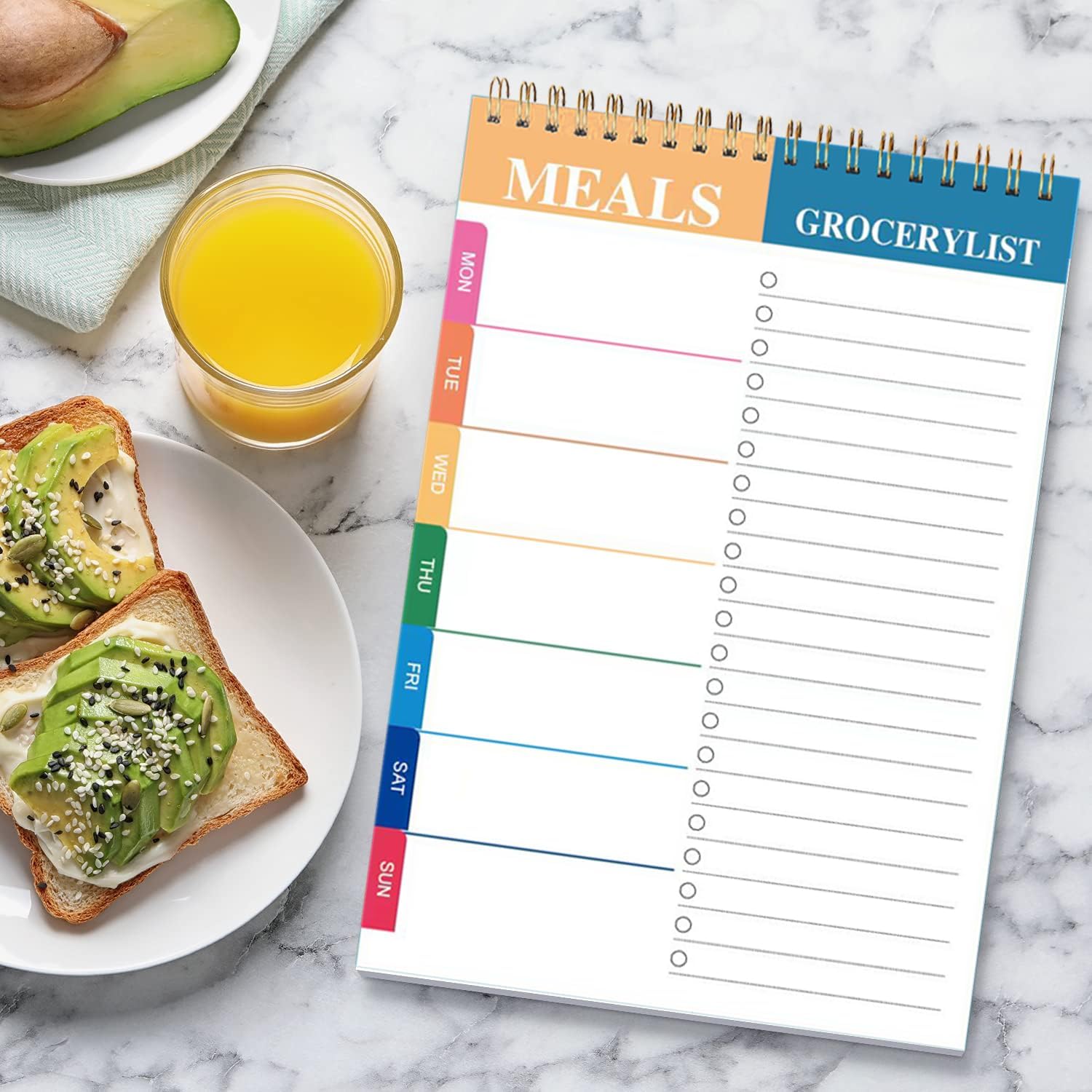
Personalized Meal Planner Based on Calories, Allergies, or Dietary Preferences
A personalized meal planner is a powerful tool for organizing your weekly meals while considering calories, allergies, or dietary preferences. On this page, we explain what it is, how it works, and why it can transform your relationship with food. You can use this content directly in your WordPress website.
What Is a Personalized Meal Planner?
A personalized meal planner adapts menus and recipes to individual needs. It is not just an empty calendar: it integrates calorie goals, avoids ingredients that may trigger allergies, and respects dietary choices such as vegetarian, vegan, low-carb, or gluten-free.
Main Benefits
- Calorie control: allows you to distribute your daily intake to meet goals such as losing, maintaining, or gaining weight.
- Safety for people with allergies: automatically removes recipes containing risky ingredients.
- Greater adherence: having meals already planned reduces decision fatigue and improves consistency.
- Saving time and money: more efficient grocery shopping and less food waste.
How It Works
A typical system requires three key inputs: daily calorie goal, list of allergies or intolerances, and dietary preferences. Based on that, it generates menus for breakfast, lunch, dinner, and snacks with measurements and alternatives.
1. Calorie Goal
The user enters their calorie target (for example, 1,800 kcal/day). The planner distributes those calories across meals and suggests recipes with pre-calculated nutrition information. This helps avoid unintentional overeating or calorie deficits.
2. Allergies and Intolerances
You enter ingredients that must be excluded (such as gluten, dairy, nuts), and the system filters out recipes containing them. It also offers safe substitutes to maintain flavor and variety.
3. Dietary Preferences
Here you select your eating style (e.g., vegan, vegetarian, paleo, keto). The planner prioritizes compatible recipes and suggests adjustments if a recipe includes undesired ingredients.
Recommended Features to Add to Your Website
If you plan to offer this meal planner on your WordPress website, consider including:
- Input form to collect calories, allergies, and preferences.
- Automatic generator to create a weekly plan with grocery lists and nutritional values.
- Ingredient swap options for unavailable foods.
- PDF export or printing option for the weekly plan.
- Recipe section with filters for prep time and difficulty.
User Flow Example
1) The user enters their calorie goal and allergies. 2) They select preferences (e.g., lactose-free). 3) The system generates a weekly menu with breakfast, lunch, dinner, and snacks, including a grocery list and calorie breakdown per meal. 4) The user can modify recipes and recalculate instantly.
Tips for Creating Effective Meal Plans
Variety: rotate protein sources and vegetables to ensure micronutrient coverage. Balance: combine complex carbs, healthy fats, and quality proteins in each meal. Realism: choose recipes aligned with the time users actually have available to cook.
Practical Example
User: 2,000 kcal/day, nut allergy, vegetarian preference.
Result: a menu including breakfasts with oats and fruit, lunches with legumes and quinoa, dinners with tofu or tempeh, and snacks like plant-based yogurt or fresh fruit. The grocery list excludes nuts and offers seeds as safe alternatives.
Conclusion
A personalized meal planner based on calories, allergies, and dietary preferences not only simplifies weekly organization but also supports healthier and more sustainable eating habits. If you implement it in WordPress, add a clear form, automatic menu generation, grocery lists, and export options. This way, you offer your visitors a practical and easy-to-use tool that improves consistency and well-being.